
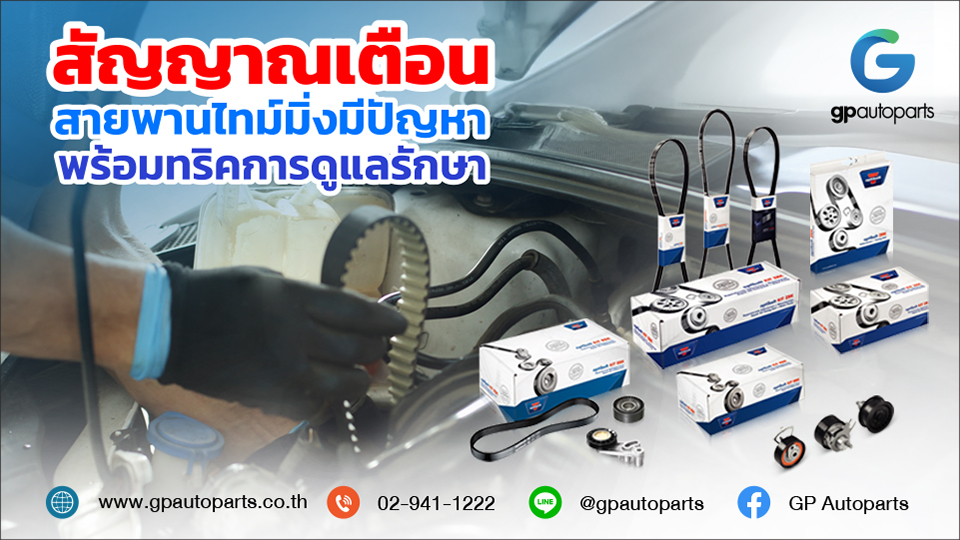
The timing belt is a critical engine component that synchronizes the crankshaft and camshaft to ensure the engine’s valves and pistons move in perfect harmony. If the timing belt becomes damaged or worn, it can cause severe engine failure—possibly requiring a complete engine rebuild.
Here are 5 key warning signs that your timing belt may be in trouble:
1. High-Pitched or Unusual Engine Noise
Unusual sounds, such as squealing or whining from the engine, often come from a loose timing belt or worn belt teeth. If you hear this, don’t wait — get it checked by a technician immediately.
2. Hard Starting or Engine Doesn’t Start
If the timing belt slips or fails, the engine timing becomes misaligned, making the car hard to start — or unable to start at all.
3. Engine Vibrations or Rough Idling
When the belt no longer accurately controls the opening and closing of valves and piston movement, it can cause the engine to run unevenly or vibrate abnormally.
4. Engine Overheating
A damaged timing belt can interfere with the cooling system, especially if it powers the water pump. This may lead to coolant circulation failure and excessive heat buildup in the engine.
5. Check Engine Light Turns On
Modern vehicles use sensors to monitor the crankshaft and camshaft timing. If the timing is off, the Check Engine light may illuminate. This is a sign that your car needs immediate inspection.
✅ Timing Belt Maintenance Tips
-
Follow your vehicle’s recommended replacement interval, usually between 95,000 – 160,000 kilometers.
-
Check the belt tension regularly — avoid belts that are too loose or too tight.
-
Prevent fluid leaks, such as oil or coolant, from contacting the belt, which can weaken the rubber material.
-
Pay attention to unusual sounds — if something doesn’t sound right, get it checked right away.